
Key takeaways
- 1In medicine, a subluxation is a partial dislocation, where the surfaces of a joint are only partly out of alignment, often after an injury.
- 2In chiropractic, the term usually describes a spinal joint that isn’t moving or functioning normally, with restricted motion, tenderness, and muscle tightness.
- 3The idea that subluxations cause disease throughout the body isn’t supported by good evidence, and we don’t make that claim.
- 4The word still matters because Medicare covers chiropractic manipulation only to correct a documented subluxation.
If you’ve been to a chiropractor, or looked at a Medicare explanation of benefits, you may have run into the word subluxation. So what is a subluxation? The honest answer is that it depends on who’s using the word. A surgeon, a radiologist, and a chiropractor may each mean something slightly different. Here’s a plain-English explanation of both meanings and why the term still matters.
The short answer
In medicine, a subluxation is a partial dislocation: the surfaces of a joint have slipped partly, but not completely, out of their normal position. In chiropractic, the word is usually used more broadly to describe a spinal joint that isn’t moving or working the way it should. The two meanings overlap, but they aren’t the same thing.
The medical definition
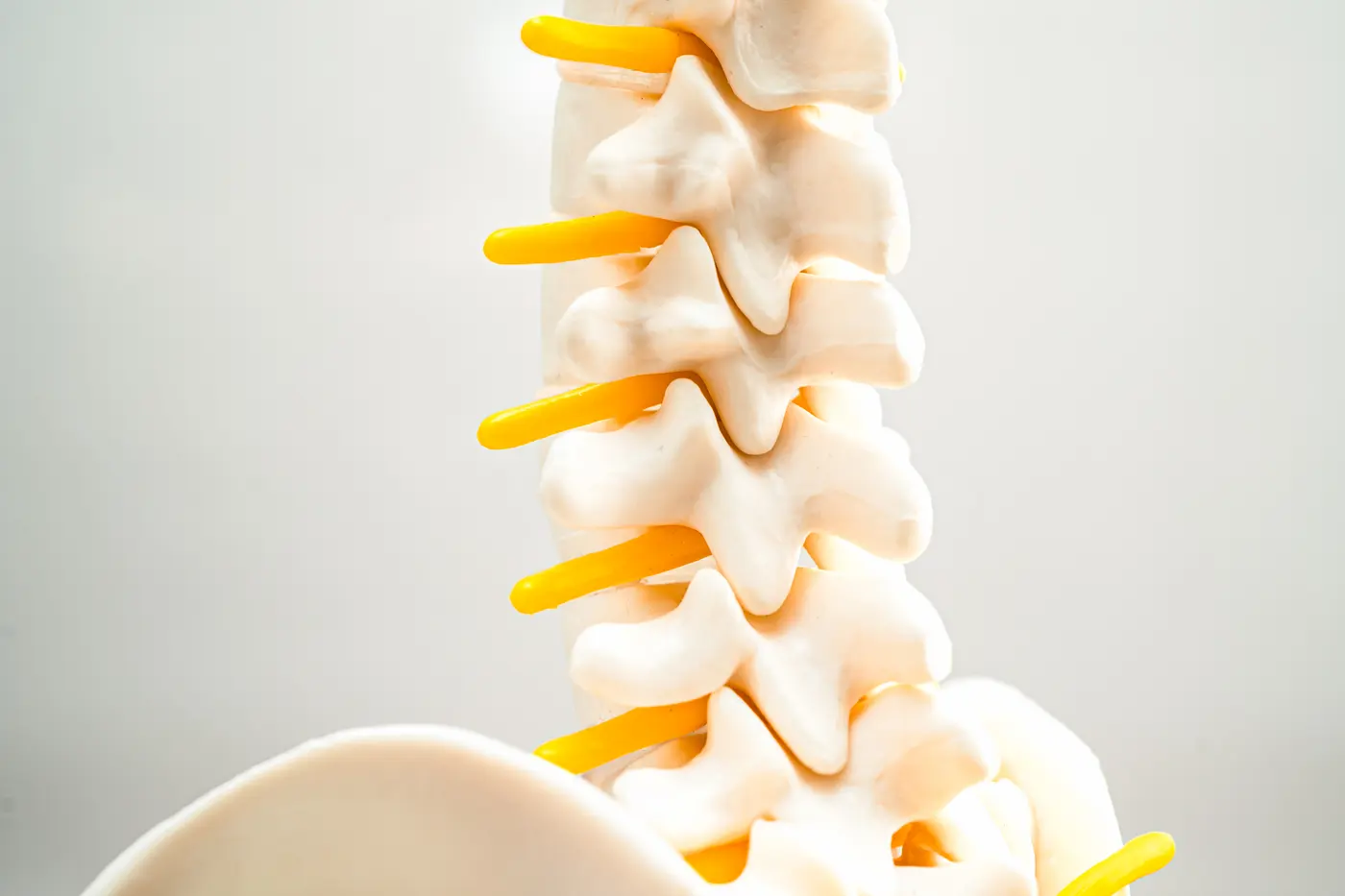
In orthopedics and radiology, a subluxation is a structural problem you can usually see on imaging. A shoulder that pops partly out of its socket and back in, a kneecap that slides off track, or a vertebra that has shifted after an injury can all be called subluxations.
These are often caused by trauma or ligament damage. Depending on the joint, they may need bracing, physical therapy, or surgery. A true medical subluxation of the spine after an injury is not something to adjust. It needs imaging and medical care first.
How chiropractors use the word
In chiropractic, subluxation usually refers to a spinal joint that has lost some of its normal motion or function. You might also hear it called joint dysfunction, segmental dysfunction, or a restriction. Common features include:
- Restricted or uneven motion in one segment of the spine.
- Tenderness when that area is pressed.
- Tight, guarded muscles nearby.
- Pain or stiffness with certain movements, like turning your head or bending.
Think of a stiff neck after sleeping wrong, or a low back that locks up after a long drive on I-95. Nothing is dislocated, but something isn’t moving right. That’s the kind of problem chiropractic adjustments are designed to address.
Why spinal joints stop moving well
There’s rarely a single cause. Common contributors include long hours in one position, repetitive tasks, a minor strain from lifting or twisting, an awkward sleeping position, and old injuries that changed how you move. Desk-heavy work and long commutes, which describe a lot of Fairfax County, combine several of these at once. Muscles around a sore joint tend to tighten to protect it, which can make the stiffness worse and set up a cycle that’s hard to break on your own.
Why the term is controversial
We’d rather be upfront about this. In the early days of chiropractic, some practitioners claimed that subluxations interfere with nerves and cause disease throughout the body, from allergies to digestive problems. That idea isn’t supported by good evidence, and we don’t make those claims.
Where chiropractic care has the strongest support is for musculoskeletal problems like low back pain, neck pain, and some types of headaches. That’s where our care is focused. When a problem is outside that scope, we refer you to the right provider.
Why the word still matters: Medicare
Even with the debate, subluxation remains an important word for one practical reason: insurance. Medicare Part B covers manual manipulation of the spine to correct a subluxation when it’s medically necessary. If the subluxation isn’t documented, Medicare won’t pay for the treatment.
Medicare allows a subluxation to be shown either by X-ray or by a physical exam. For the exam route, Medicare’s guidelines use four criteria, often remembered by the acronym PART:
- Pain or tenderness in the area.
- Asymmetry or misalignment of the spinal segment.
- Range of motion that is abnormal or restricted.
- Tissue or tone changes in the nearby muscles and soft tissue.
Medicare requires at least two of the four, and one of them must be asymmetry or abnormal range of motion. If an X-ray is used instead, keep in mind that Medicare won’t pay for an X-ray ordered by a chiropractor. That’s why you’ll see the word in your records even though we talk about it in plain terms. For the full picture on coverage, see does Medicare cover chiropractic.
How we assess joint motion
Finding a joint problem isn’t guesswork. At your first visit, the exam typically includes:
- A history of your symptoms, what makes them better or worse, your work, and your activity.
- Postural observation and range-of-motion testing.
- Hands-on palpation to feel how each segment moves and where it’s tender or tight.
- Reflex, flexibility, neurological, and orthopedic tests to rule other problems in or out.
- X-rays when the condition calls for them, such as after trauma or when red flags are present.
No single test tells the whole story. What matters is whether the findings line up: a segment that feels restricted, is tender, has tight muscles around it, and matches the pain you describe. If the pieces don’t fit, or if something points to a problem outside our scope, we say so and refer you.
Then we sit down and explain what we found, how we can help, how often, and what it costs. Nothing is done without your consent. Here’s more on what to expect at your first visit.
What treatment looks like
When a spinal joint isn’t moving well, care usually combines a few things: adjustments to restore motion, soft tissue work or massage to calm tight muscles, and corrective exercises to help the area stay mobile. You’ll also get practical advice on posture, sleep, and workstation setup, which matters a lot for the many desk workers and long-haul commuters we see from Kingstowne, Springfield, and Fort Belvoir. You can see all of our services here. And if you’re wondering about the safety side, read is chiropractic safe.
The work you do between visits matters as much as what happens on the table. A few minutes a day of the right stretches and exercises, plus small changes like getting up from your desk regularly, can help a joint keep the motion it regains and make it less likely to stiffen up again.
When it’s more than a stiff joint
Subluxation is a word with two meanings and a long history. What matters most is finding out what’s actually going on with your joints and treating it honestly. This article is for general education and isn’t a diagnosis. If you’re in pain, get evaluated.
Frequently asked questions
What does a subluxation feel like?
In the chiropractic sense, it often feels like local stiffness, a spot that’s tender to the touch, tight muscles nearby, or pain when you move in a certain direction. These symptoms aren’t unique to one cause, so an exam is the only way to know what’s going on.
Is a subluxation the same as a dislocation?
No. In medical terms, a dislocation means the joint surfaces have fully separated, while a subluxation means they’re only partly out of place. A true dislocation or subluxation from an injury is an urgent medical problem, not something to treat with an adjustment.
Can a subluxation heal on its own?
Many episodes of joint stiffness and back or neck pain improve on their own with time and gentle movement. Care can help speed relief and restore motion, and exercises can reduce the odds of it coming back. Symptoms that linger or worsen are worth having checked.
Can you see a subluxation on an X-ray?
A medical subluxation, where a joint is partly out of alignment, can often be seen on imaging. The chiropractic sense of the word, which is about how a joint moves, is mostly found through a hands-on exam. X-rays are used when your condition calls for them, for example to rule out fractures or other problems.
Do subluxations cause disease?
There’s no good evidence that spinal subluxations cause diseases in other parts of the body. Chiropractic care is best supported for musculoskeletal problems like back pain, neck pain, and some headaches, and that’s where we focus.